
Contact Us
- All
- Product Name
- Product Keyword
- Product Model
- Product Summary
- Product Description
- Multi Field Search
Views: 0 Author: Site Editor Publish Time: 2026-03-12 Origin: Site


Have you ever wondered why some pallet loads stay secure while others loosen during transport? Many packages rely on plastic straps to keep cartons and pallets stable. Two of the most common materials are PET strapping and Polypropylene Strapping. They may look similar at first, but their strength, flexibility, and uses are quite different.
In this article, you will learn the key differences between them. We will also explain when each type of strapping works best.
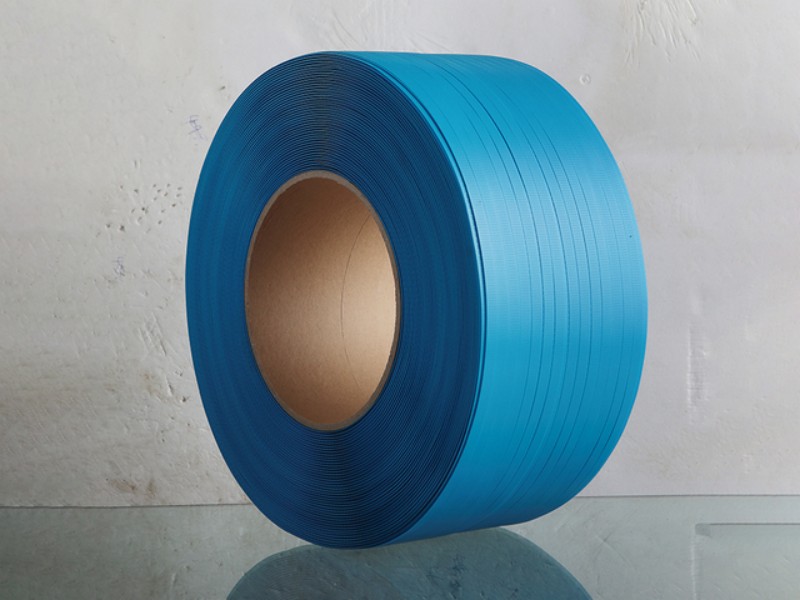
Polypropylene Strapping is a widely used plastic packaging material manufactured from polypropylene resin. During production, the raw resin is melted and extruded into thin bands, which are then stretched and cooled to form durable yet flexible plastic straps. This extrusion and stretching process aligns the molecular structure of the material, improving its tensile strength while preserving flexibility—an important balance for packaging applications where both stability and adaptability are required. In industrial packaging environments, polypropylene straps are typically supplied in coils or rolls that can be loaded into manual tensioning tools, semi-automatic machines, or fully automatic strapping systems. This versatility makes polypropylene strapping suitable for many packaging operations, ranging from small retail packaging tasks to large-scale logistics processing lines. Manufacturers such as Weide produce flexible PP straps designed with plastic-reducing concepts that aim to maintain bundling performance while using less raw material. This approach reflects a broader trend within the packaging industry toward improving material efficiency without sacrificing operational reliability.
Polypropylene strapping is valued primarily for its balanced mechanical properties, which combine flexibility, moderate strength, and ease of handling. The material’s flexibility allows it to conform to carton edges and irregular product surfaces during tensioning, helping reduce the risk of damaging packaging materials such as corrugated boxes. Another important characteristic is its controlled elongation. Unlike rigid strapping materials, polypropylene straps can stretch slightly under tension and absorb minor shocks during transport. This property helps maintain bundle integrity when loads shift slightly during handling or stacking. Strength levels depend on the strap’s width and thickness. Thicker straps generally provide higher tensile strength and improved load stability. The table below summarizes several key properties commonly associated with polypropylene strapping.
Polypropylene straps are manufactured in a variety of widths to support different packaging requirements. Smaller widths are generally used for lighter applications, while larger widths offer greater strength for heavier bundles or pallet loads. Common polypropylene strapping sizes include:
Strap Width | Typical Packaging Applications | Load Characteristics |
5 mm | Small cartons, printed materials | Light bundling |
8–9 mm | Retail packaging, distribution goods | Medium-light loads |
11–12 mm | Larger cartons, packaged equipment | Moderate loads |
13–15 mm | Pallet stabilization or industrial goods | Higher load stability |
PET strapping is manufactured from polyethylene terephthalate, a polyester-based plastic known for its high mechanical strength and dimensional stability. Unlike polypropylene straps, which emphasize flexibility, PET strapping is engineered primarily for strength and load retention. The production process generally involves drying the raw polyester material, melting it, and forming the strap through extrusion followed by controlled stretching. These steps create a dense and rigid structure that enables PET straps to withstand significantly higher tension levels compared with many other plastic strapping materials. Because of these characteristics, PET strapping is commonly positioned as an alternative to traditional steel strapping in certain packaging environments. It offers high strength while remaining lighter and easier to handle than metal straps.
PET strapping is widely recognized for its strong load-bearing performance and its ability to maintain tension over time. The material’s rigidity and relatively low elongation help keep heavy palletized goods tightly secured during long transportation routes. Several mechanical characteristics distinguish PET strapping from polypropylene straps:
● Higher tensile strength, allowing it to secure heavy industrial loads such as metal products, building materials, or dense pallet shipments.
● Lower elongation, meaning the strap stretches less under tension and maintains more consistent pressure around the load.
● Improved load retention, which helps prevent loosening during long-distance shipping and repeated handling.
The comparison below highlights the main structural and performance differences between the two materials.
Feature | Polypropylene Strapping | PET Strapping |
Material type | Polypropylene resin | Polyester (PET) |
Flexibility | High | Moderate to low |
Tensile strength | Moderate | High |
Elongation | Higher stretch capacity | Lower stretch |
Typical applications | Light to medium packaging | Heavy-duty pallet loads |
In practical packaging operations, PET strapping is therefore often selected when loads require stronger tensioning and long-term stability, particularly in industrial logistics and heavy transportation scenarios.
When comparing PET straps and Polypropylene Strapping, tensile strength is often the first factor considered in packaging design. PET strapping is engineered for high-strength applications and is capable of securing heavy palletized goods such as construction materials, metal components, or industrial equipment. Its dense polyester structure allows it to maintain tension even when loads are subjected to vibration or shifting during long transportation routes. By contrast, polypropylene strapping is typically designed for lighter or medium-duty packaging needs. Its tensile strength depends on strap width, thickness, and manufacturing design. Narrower PP straps may be used for carton bundling, while wider straps can support heavier pallet stabilization tasks. For example, certain 5 mm polypropylene strap models provide strength values in the range of approximately 40–61 kg, making them suitable for moderate packaging loads without requiring the higher strength offered by PET straps. The comparison below highlights how the two materials differ in load-bearing capability.
Feature | Polypropylene Strapping | PET Strapping |
Typical strength level | Moderate | High |
Typical load applications | Cartons, retail goods, light pallets | Industrial pallets, heavy goods |
Load retention | Moderate | Strong |
Suitability | Light to medium packaging | Heavy-duty packaging |
Flexibility is another key difference between PET and polypropylene strapping. Polypropylene straps are naturally more flexible and can bend easily around cartons or irregularly shaped packages. This flexibility helps prevent excessive pressure on packaging surfaces during tightening, which is particularly important when securing corrugated cardboard boxes or fragile packaging materials. Because polypropylene straps allow moderate elongation, they can absorb small shocks during transportation or product handling. For example, when cartons are moved repeatedly during warehouse operations, the strap can stretch slightly and then return to shape, maintaining bundle integrity without cutting into the packaging surface. PET straps, in contrast, are more rigid. Their structure is designed to maintain consistent tension rather than to stretch and absorb movement. This rigidity is beneficial for heavy pallet loads because it prevents loosening over time. However, the same property makes PET straps less adaptable when securing softer packaging materials. As a result, PET strapping is commonly chosen for industrial packaging, while polypropylene straps are frequently used in retail and logistics packaging environments.
Environmental conditions can also influence the choice between PET and polypropylene strapping. Polypropylene Strapping generally performs well in controlled environments such as warehouses, distribution centers, and indoor production facilities. In these conditions, temperature fluctuations are moderate and loads are usually handled within predictable logistics cycles. PET strapping, however, demonstrates better performance across a wider range of temperatures. The polyester material maintains strength and stability in colder or hotter environments, making it suitable for outdoor storage, construction materials, or international shipments that may encounter varying climates. The following table summarizes how each material typically performs under different environmental conditions.
Environmental Factor | Polypropylene Strapping | PET Strapping |
Indoor logistics environments | Performs reliably | Performs reliably |
Temperature tolerance | Moderate range | Wider temperature range |
Outdoor exposure | Less commonly used | More suitable |
Industrial environments | Suitable for standard operations | Better for demanding conditions |
For packaging managers, environmental conditions often determine whether the additional durability of PET strapping is necessary or whether polypropylene strapping can adequately handle the packaging requirements.
Handling characteristics and equipment compatibility also distinguish these two materials in daily packaging operations. Polypropylene straps are softer and easier to manipulate, which makes them practical for manual packaging tasks or operations where workers frequently bundle cartons by hand. The material can also be used with a wide variety of strapping machines, including manual tensioning tools, semi-automatic machines, and fully automatic packaging systems. Another operational advantage of polypropylene strapping is its relatively low tension requirement. Because it is flexible and lightweight, it can secure packages effectively without applying extremely high tension levels. This reduces strain on both equipment and packaging materials. PET strapping, on the other hand, generally requires higher tension during application. For this reason, it is often used with automated packaging systems designed to handle stronger materials and heavier loads. These machines apply consistent tension and sealing methods that maintain the stability of large pallet shipments.
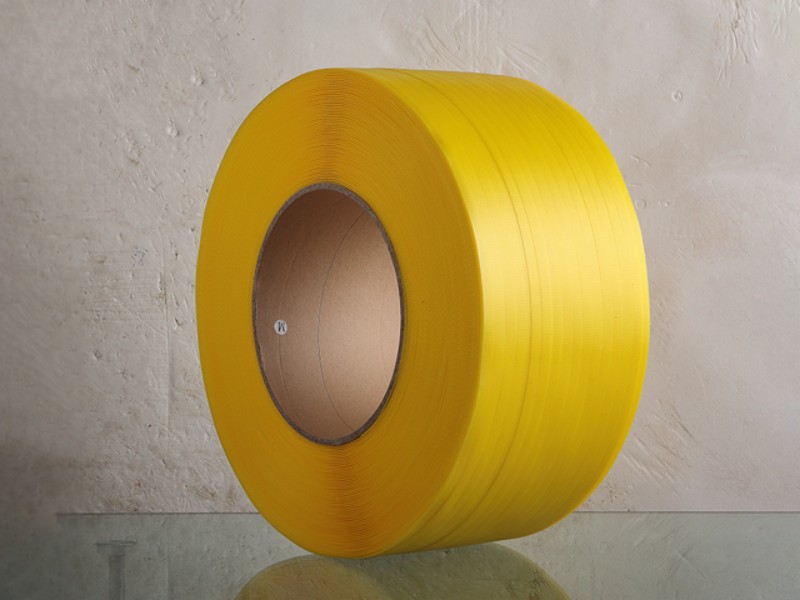
Polypropylene Strapping is commonly used in packaging environments where the load weight is moderate and the packaging material must remain protected during tightening. Typical applications include bundling cartons, securing retail products, grouping printed materials, and stabilizing smaller pallet loads. In many logistics operations, bundled packages weigh less than approximately 50 kg, making polypropylene straps a practical choice for everyday packaging tasks. The material provides sufficient strength to maintain load stability while avoiding the higher material cost associated with heavy-duty strapping materials. Common packaging scenarios where polypropylene straps are widely used include:
● Carton bundling in manufacturing lines
● E-commerce parcel consolidation
● Retail product packaging
● Bundling lightweight industrial components
These applications demonstrate how polypropylene strapping supports efficient packaging workflows without requiring excessive tensile strength.
Within warehouse and distribution environments, packaging operations often prioritize speed, flexibility, and material efficiency. Polypropylene strapping fits these requirements well because it can be applied quickly and easily while still providing reliable bundling performance. During warehouse handling, cartons are frequently stacked, moved, and transported across short distances. The flexibility of polypropylene straps allows them to adapt to these movements without damaging the packaging. This reduces the likelihood of crushed carton edges or damaged packaging surfaces during tightening. Polypropylene straps are also compatible with many automated packaging lines used in logistics centers. Semi-automatic and automatic strapping machines can apply straps consistently, allowing distribution facilities to process large volumes of packages efficiently.
Beyond packaging strength, polypropylene strapping offers several operational benefits that make it widely used across industries. The material’s lightweight structure simplifies handling and reduces fatigue for workers who apply straps manually throughout the day. Operational advantages often associated with polypropylene strapping include:
● Ease of handling: The strap’s flexibility allows operators to guide it around packages quickly and safely.
● Equipment versatility: Polypropylene straps can be used with manual tools, semi-automatic machines, and fully automated strapping systems.
● Material efficiency: Some polypropylene strap designs incorporate plastic-reducing concepts that lower raw material consumption while maintaining functional performance.
PET strapping is typically selected in packaging situations where higher strength, durability, and load stability are required. While Polypropylene Strapping is widely used for light and medium packaging, PET straps provide stronger load retention and are better suited for demanding transportation environments. These characteristics make PET strapping a practical option for industrial logistics where loads are heavy, transportation distances are long, or environmental conditions are less controlled.
One of the most common use cases for PET strapping is securing heavy industrial goods. Materials such as steel coils, stone slabs, pipes, and construction materials often require strong bundling pressure to prevent shifting during handling and transportation. PET straps are able to maintain higher tension levels without stretching significantly, which helps keep dense loads tightly secured on pallets or bundles. In industrial packaging environments, the combination of high tensile strength and strong load retention makes PET straps particularly effective when dealing with rigid materials. The following table illustrates typical packaging scenarios where PET strapping is frequently applied.
Transportation distance also plays an important role in determining the appropriate strapping material. Long-distance shipping exposes packaged goods to repeated vibrations, stacking pressure, and multiple loading and unloading stages. Under these conditions, straps must maintain consistent tension to prevent loads from loosening over time. PET strapping performs well in these situations because it has relatively low elongation and high recovery strength. Once tensioned, the strap tends to maintain its grip around the load even after extended periods of movement. This characteristic is particularly valuable for international shipping, cross-country transportation, or freight operations involving multiple transfer points. In contrast, more flexible strapping materials may stretch slightly during repeated movement, which could reduce bundling tension. As a result, many exporters and logistics providers rely on PET strapping when transporting heavy palletized goods across long distances.
Environmental conditions can also influence the choice of strapping material. PET strapping generally tolerates wider temperature ranges and performs reliably in outdoor environments where temperature fluctuations, humidity, or exposure to weather may occur. For example, construction materials stored outdoors or transported across regions with significant climate differences require strapping that maintains strength under varying temperatures. PET straps are better suited for these situations because their polyester structure remains stable in both cold and hot conditions. Common environmental scenarios where PET strapping may be preferred include:
● Outdoor storage yards for building materials
● Industrial transport routes exposed to weather conditions
● Shipping environments involving temperature variation during transit
By maintaining consistent tension in these conditions, PET strapping helps protect heavy loads from shifting or loosening during storage and transportation.
Selecting between PET straps and Polypropylene Strapping involves evaluating several practical factors related to packaging operations. The correct choice often depends on the weight of the load, the transportation environment, and the equipment used in the packaging process. Understanding these factors helps packaging managers balance performance, efficiency, and operational costs.
The weight and structural stability of the packaged product are usually the first factors considered when selecting a strapping material. Lightweight cartons or bundled retail goods typically do not require extremely high tensile strength. In such cases, polypropylene strapping can provide sufficient bundling support while remaining easier to handle and apply. However, as product weight increases, the need for stronger strapping materials becomes more apparent. Heavy palletized goods require higher tension and stronger load retention to prevent shifting during handling or transport. The table below provides a simplified comparison of how load weight often influences strapping selection.
Load Type | Typical Weight Range | Common Strapping Choice |
Cartons and retail goods | Light loads | Polypropylene Strapping |
Bundled products | Light to medium loads | Polypropylene Strapping |
Industrial pallets | Medium to heavy loads | PET Strapping |
Construction or metal materials | Heavy loads | PET Strapping |
This comparison highlights how the physical characteristics of the load often guide the selection process.
Transportation conditions also influence the performance requirements of strapping materials. In warehouse environments where goods move short distances and handling is relatively controlled, flexible strapping materials may provide sufficient load stability. These scenarios often include internal logistics operations, distribution center handling, and short-range deliveries. For shipments traveling longer distances, however, packaging must withstand repeated movement, vibration, and environmental changes. Export shipments, cross-country transportation, or freight handled by multiple logistics providers may require strapping materials that maintain tension more consistently over time. When transportation conditions become more demanding, packaging engineers may choose stronger materials like PET strapping to ensure load stability throughout the journey.
Packaging equipment also plays a role in determining the most suitable strapping material. Different strapping systems apply different levels of tension and require specific strap characteristics to operate effectively. Polypropylene straps are highly adaptable and can be used with a wide range of equipment, including:
● Manual tensioning tools used in small packaging operations
● Semi-automatic strapping machines commonly found in warehouses
● Fully automatic machines used in high-volume packaging lines
PET straps, on the other hand, often require higher tension levels during application. Because of this, they are frequently used with automated packaging systems designed to handle stronger materials and heavier loads. These systems ensure consistent tensioning and sealing, which helps maintain stability when securing industrial pallet shipments. By evaluating equipment compatibility along with packaging requirements, companies can select a strapping material that integrates smoothly into their existing packaging workflow while maintaining the required level of load security.
PET strapping and Polypropylene Strapping serve different packaging needs.
Each material supports specific load and transport demands.Polypropylene straps suit light and medium packaging tasks.
They are flexible and easy to apply in many systems.PET strapping handles heavier loads and long transport routes.
It offers stronger tension and stable load retention.Choosing the right strap depends on load, environment, and equipment.
Weide provides reliable polypropylene strapping solutions. Their products support efficient and stable packaging operations.
A: Polypropylene Strapping is commonly used for bundling cartons, light pallets, and retail goods. It provides moderate strength and flexibility for light-to-medium packaging loads.
A: Polypropylene Strapping is more flexible and suited for lighter loads, while PET strapping offers higher tensile strength for heavy industrial pallets.
A: Polypropylene Strapping is preferred for cartons, e-commerce parcels, and short-distance logistics where flexibility and moderate load support are sufficient.
A: Yes. PET strapping is designed for high-tension applications, whereas Polypropylene Strapping is typically used for lighter packaging operations.


