
Contact Us
- All
- Product Name
- Product Keyword
- Product Model
- Product Summary
- Product Description
- Multi Field Search
Views: 0 Author: Site Editor Publish Time: 2026-03-24 Origin: Site


Heavy loads move every day, but how do they stay secure during transport? PET Strapping is widely used to hold goods tightly in modern packaging systems. In this article, you will learn what PET Strapping is used for and where different industries apply it.
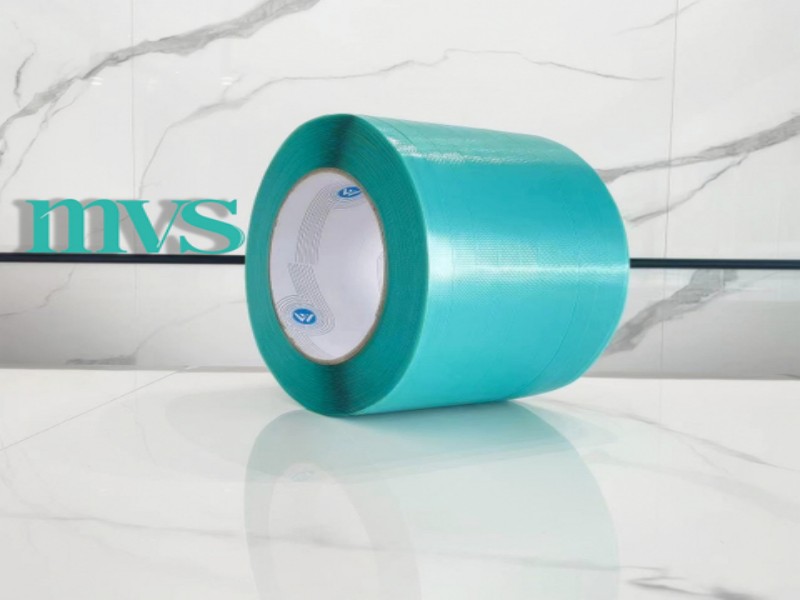
PET strapping is a polyester-based packaging strap designed for securing goods during storage, handling, and transportation. It is commonly used in industrial logistics because it combines strength with flexibility, allowing it to hold heavy loads while adapting to minor shifts that occur during transport. Unlike rigid packaging materials, PET strapping maintains stable tension while still absorbing vibrations that occur during handling or shipping.
The manufacturing process typically involves melting polyester raw materials and extruding them into long, narrow straps that are then stretched and cooled to achieve their final strength characteristics. This controlled process improves both tensile strength and elasticity, making PET strapping suitable for demanding logistics environments such as warehouses, ports, and distribution centers.
In modern packaging systems, PET strapping is often selected when cargo must remain tightly secured over long distances. Its ability to maintain tension over time makes it especially useful in global supply chains where goods may pass through multiple stages of transport before reaching their final destination.
Key characteristics of PET strapping production include:
● Polyester material base that provides strength and durability compared with lighter plastic straps.
● Extrusion and stretching processes that align polymer structures, improving load resistance and tension stability.
● Surface treatment and finishing that help prevent slipping during pallet securing and bundling operations.
Because of these manufacturing characteristics, PET strapping has become widely used in industries that require consistent load security during storage and transportation.
PET strapping is valued in industrial packaging because of several physical properties that directly influence load stability. These characteristics allow the material to secure goods effectively while minimizing the risk of loosening or damage during transportation.
Some of the most important properties include:
● High tensile strength – PET straps can withstand strong pulling forces without breaking, which allows them to hold heavy products such as metal components, building materials, and palletized goods.
● Low elongation rate – Unlike softer materials, PET strapping stretches only slightly under tension. This ensures that bundles remain tight even after long periods of storage or transport.
● Impact resistance – The strap can absorb shocks and vibrations caused by forklift movement, road transport, or container shipping.
● Environmental stability – PET strapping performs reliably across different temperatures and humidity levels, making it suitable for both indoor and outdoor logistics operations.
These properties enable PET strapping to stabilize cargo across a wide range of logistics scenarios. Whether goods are stored in warehouses, shipped across continents, or handled repeatedly during distribution, the strap helps maintain consistent load integrity.
Packaging operations often use different types of strapping materials depending on the weight of goods, transportation distance, and cost considerations. PET strapping and PP Strap are among the most common options used in modern packaging systems, but they serve different operational purposes.
PET strapping is generally chosen when higher strength and stronger load retention are required. In contrast, PP Strap is often used for lighter packaging tasks where flexibility and lower material costs are important. This difference allows companies to match the packaging material to the demands of the shipment.
A simplified comparison helps illustrate how the two materials are typically applied:
Feature | PET Strapping | PP Strap |
Typical use | Heavy industrial packaging | Light to medium packaging |
Strength level | Higher tensile strength | Moderate strength |
Load stability | Maintains tension over long distances | Suitable for short-distance transport |
Flexibility | Moderate flexibility | Highly flexible and lightweight |
In many logistics operations, both materials may be used within the same packaging system. For example, lighter consumer goods may be secured with PP Strap, while heavier pallets or industrial components require the stronger tension capacity of PET strapping.
This material differentiation allows packaging professionals to optimize both safety and efficiency while controlling packaging costs.
Palletized goods are a central part of modern warehouse operations. Large quantities of products are stacked onto pallets to simplify storage, transportation, and handling with forklifts or pallet jacks. However, without proper stabilization, stacked goods can shift or collapse during movement.
PET strapping helps solve this problem by tightly binding products to the pallet structure. When applied around the load, the strap creates compression that keeps cartons, containers, or bundled materials firmly in place.
Common pallet securing scenarios include:
● Consolidating multiple cartons into a single stable pallet load
● Preventing movement during forklift transport within warehouses
● Preparing goods for shipment through distribution networks
In these situations, PET strapping acts as a structural reinforcement that maintains pallet integrity throughout the logistics process.
Industries that produce heavy or bulky materials often require stronger packaging solutions. Products such as metal pipes, aluminum bars, machinery parts, or construction materials must remain securely bundled during storage and shipment.
PET strapping is frequently used in these situations because it can apply strong tension across large bundles without damaging the products themselves. The strap compresses materials together, preventing movement that might otherwise lead to product damage or unstable loads.
Typical heavy-goods packaging applications include:
● Bundling steel pipes or metal profiles
● Securing stacks of building materials
● Stabilizing large machinery components during shipment
Transportation routes for industrial goods often extend across long distances and involve multiple logistics stages. Products may be transferred between warehouses, loaded into shipping containers, transported by truck or ship, and then distributed to regional facilities.
During this process, cargo can experience vibrations, sudden movements, and environmental changes. PET strapping helps maintain consistent load stability by holding packaging materials tightly together.
Several factors make PET strapping particularly suitable for long-distance shipping:
● Its ability to retain tension over extended periods
● Resistance to environmental conditions such as humidity or temperature variation
● The capacity to absorb shock without losing structural integrity
In large distribution networks, pallet loads often pass through several handling points before reaching their final destination. Each stage introduces potential risks such as shifting loads, stacking pressure, or handling impacts.
PET strapping helps reduce these risks by creating a firm compression force around the palletized goods. When tensioned properly, the strap holds the items together and keeps the center of gravity stable.
The stabilization process typically involves several steps:
1. Positioning the strap around the pallet and product stack.
2. Applying controlled tension using manual or automatic strapping equipment.
3. Sealing the strap joint to maintain compression throughout the shipping process.
Once applied, the strap works together with the pallet base and packaging materials to maintain load alignment. The combination of tensile strength and elasticity allows the strap to respond to vibrations during transportation while still preserving overall load stability.
As a result, PET strapping has become an essential component of modern packaging systems used across warehouses, distribution centers, and global logistics networks.
The construction industry often deals with bulky, heavy, and sometimes fragile materials that must be transported safely from manufacturing plants to construction sites or distribution warehouses. PET strapping is widely used to bundle and stabilize products such as glass sheets, ceramic tiles, stone slabs, and wooden boards. These materials are often stacked in layers or arranged in pallets, which makes them vulnerable to vibration and shifting during transportation.
In these situations, PET strapping provides strong compression around the packaged load, helping maintain the structural alignment of stacked materials. The strap’s durability allows it to hold the load together even when goods are handled multiple times during shipping or storage.
Typical construction-related packaging scenarios include:
● Glass and ceramic products These items are highly sensitive to vibration and movement. PET strapping helps keep stacked panels tightly secured to pallets, reducing the likelihood of impact between pieces during transportation.
● Stone slabs and building panels Stone products and engineered boards are heavy and often transported in bundles. PET strapping stabilizes these materials and prevents separation during lifting or loading operations.
● Wooden boards and structural materials Lumber and engineered wood panels are commonly strapped together in bulk bundles to simplify handling and warehouse storage.
In construction logistics, stable packaging is essential not only for product protection but also for improving efficiency in loading, unloading, and site delivery operations.
PET strapping is a standard component in many logistics and distribution environments. Warehouses frequently handle palletized shipments that must remain stable throughout storage, transport, and redistribution. Without proper load securing, stacked goods can shift or collapse during forklift handling or vehicle movement.
In modern distribution centers, PET strapping is used alongside pallets and stretch wrapping to create a stable shipping unit. This approach helps maintain load integrity while goods move through different stages of the supply chain.
Common logistics uses include:
● Pallet consolidation PET strapping binds cartons or packaged goods together to form a single stable pallet unit that can be moved efficiently through warehouses.
● Freight preparation for shipping Before goods are loaded onto trucks or containers, strapping ensures that products remain fixed to the pallet base.
● Load stabilization during storage Strapped pallets are less likely to shift or deform during long-term warehouse storage.
The following table summarizes common logistics scenarios where PET strapping is applied:
Logistics Activity | Purpose of PET Strapping | Packaging Outcome |
Warehouse palletizing | Stabilize stacked cartons | Improved load integrity |
Container loading | Prevent shifting during transit | Safer international shipping |
Distribution center handling | Maintain pallet structure | Efficient material handling |
These uses demonstrate why PET strapping is frequently integrated into packaging systems used across supply chains worldwide.
The textile and fiber industries require packaging solutions that combine strength with material protection. Large rolls of fabric, chemical fiber bundles, and compressed cotton bales must be secured tightly for transport while avoiding damage to the fibers themselves.
PET strapping provides the tension needed to hold these products together without cutting into the material surface. Its smooth structure helps maintain the shape of bundled textile products while allowing them to remain easy to handle during storage or transport.
Key applications within the textile sector include:
● Bundling textile rolls Large rolls of fabric are often secured with PET straps to keep them tightly compressed and prevent unraveling during shipping.
● Securing chemical fiber packages Synthetic fiber bundles require consistent tension to maintain compact packaging during handling and distribution.
● Cotton bale packaging Cotton bales are frequently compressed and strapped to reduce volume and simplify transportation logistics.
Because textile products often move through long supply chains—from fiber production to manufacturing and distribution—stable bundling solutions are essential for maintaining product condition.
High-value electronic products and precision equipment require careful handling during transportation. These goods are often packaged in cartons or protective containers that must remain stable throughout the logistics process.
PET strapping helps maintain the structural integrity of packaging units without introducing sharp edges or excessive pressure that could damage sensitive equipment. When used in combination with pallets and protective packaging materials, the strap contributes to safer shipment of delicate goods.
Typical applications include:
● Securing palletized cartons containing electronic devices
● Stabilizing equipment packages for international shipping
● Maintaining load alignment for fragile components during freight handling
Because electronic products often travel long distances through global supply chains, maintaining consistent load stability is critical to preventing damage during transit.
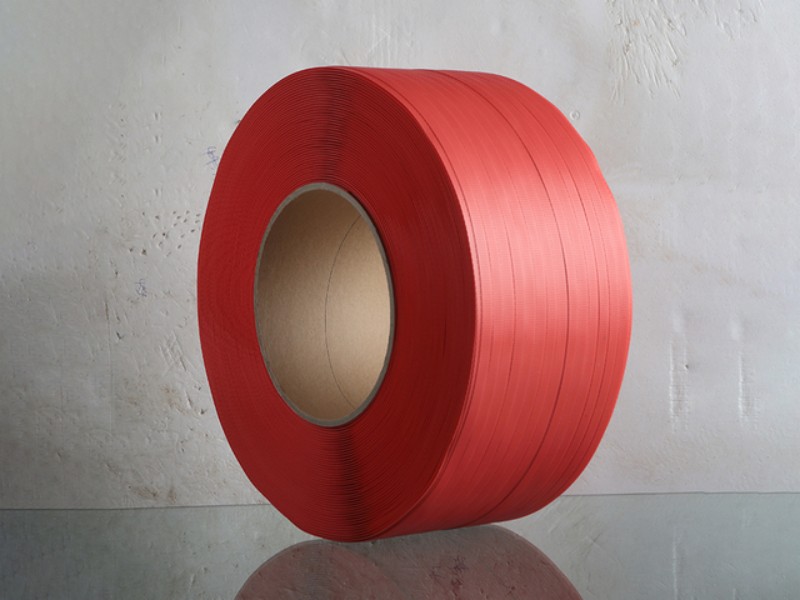
One of the most important advantages of PET strapping is its ability to withstand significant tension without breaking. This property makes it suitable for heavy-duty packaging tasks that involve large industrial products or palletized goods.
In many industrial sectors, loads may weigh hundreds or even thousands of kilograms. PET strapping helps maintain tight compression around these loads, ensuring that individual items remain grouped together throughout the transportation process.
The material’s strength allows it to replace heavier packaging materials in certain applications while still maintaining effective load stability. As a result, PET strapping has become a common choice for industries that require reliable bundling solutions.
Transportation environments expose packaged goods to constant vibration and movement. Trucks, railcars, and shipping containers all generate motion that can gradually loosen packaging materials.
PET strapping addresses this challenge through a property known as elastic recovery. When the strap experiences stress from movement or shifting cargo, it can absorb part of the force and partially return to its original tension level. This helps maintain consistent pressure on the load.
The benefits of this characteristic include:
● Reduced risk of load loosening during long-distance shipping
● Improved resistance to vibration during vehicle transport
● Greater stability for palletized goods in multi-stage logistics networks
Elastic recovery ensures that PET strapping continues to perform even after extended periods of transport or storage.
Packaging materials used in global logistics must perform under varying environmental conditions. Shipments may travel through humid coastal regions, cold storage environments, or hot outdoor warehouses.
PET strapping is designed to remain stable under these conditions. Unlike steel strapping, it does not rust when exposed to moisture, and it maintains consistent strength across a wide temperature range.
Key environmental advantages include:
● Moisture resistance that prevents corrosion-related degradation
● Temperature tolerance suitable for both cold and warm storage environments
● Durability in outdoor storage conditions
Handling safety is an important consideration in industrial packaging operations. Traditional steel strapping can have sharp edges that pose risks to workers during cutting, handling, or removal.
PET strapping offers several safety advantages in comparison:
● Smooth edges that reduce the likelihood of cuts or injuries
● Lighter material weight, making it easier to handle during packaging operations
● Lower rebound force when straps are cut after use
Because of these characteristics, PET strapping can contribute to safer working environments in warehouses, manufacturing plants, and logistics facilities.
Within the packaging industry, different materials are selected based on load weight and packaging requirements. PET strapping is commonly associated with heavy-duty bundling applications, while PP Strap is widely used for lighter or medium-weight packaging tasks.
Manufacturers such as Weide focus on developing plastic-reducing PP Strap solutions and related packaging equipment. In many packaging systems, PP Strap may be applied to smaller or lighter shipments, while PET strapping is chosen for larger or heavier cargo that requires stronger tension.
This complementary use of materials allows packaging systems to address a wide range of industrial needs while maintaining efficiency and cost control.
Strapping materials are typically applied using specialized packaging equipment that ensures consistent tension and secure sealing. In industrial packaging environments, both manual and automated machines are used depending on production scale and operational requirements.
Automated strapping systems can improve packaging efficiency by:
● Applying uniform tension to every strap
● Reducing manual labor requirements in packaging lines
● Increasing the speed of pallet preparation for shipping
These systems are often integrated into broader packaging workflows that include palletizing, wrapping, and cargo stabilization.
Manufacturers involved in strapping materials and packaging equipment often accumulate extensive knowledge about logistics and packaging practices across industries. Through product development and customer collaboration, they gain insight into how different materials perform in real-world shipping environments.
Companies such as Weide, which specialize in PP Strap and strapping equipment, study the operational roles of various packaging materials. Understanding how PET strapping is used in heavy-duty logistics helps inform broader packaging strategies and supports the development of solutions that address diverse industry needs.
PET Strapping secures heavy loads in transport. It offers strong and stable load control. It also resists weather and vibration.Many industries rely on it for packaging. It protects goods in storage and shipping. It also complements lighter PP Strap uses. Weide develops advanced PP Strap and strapping systems. Their solutions support efficient and reliable packaging.
A: PET Strapping is used to secure heavy pallet loads, stabilize cargo, and bundle industrial materials during storage and long-distance transport.
A: PET Strapping provides higher tensile strength and better tension retention, making it suitable for heavier loads than standard PP strapping.
A: PET Strapping is widely used in construction materials, logistics, textiles, and metal processing for bundling and pallet securing.
A: Yes. PET Strapping maintains tension and resists vibration, helping keep pallet loads stable during international or multi-stage transport.


