
Contact Us
- All
- Product Name
- Product Keyword
- Product Model
- Product Summary
- Product Description
- Multi Field Search


Why is polypropylene everywhere? It appears in packaging and shipping. One key example is PP Strap. It secures cartons and pallet loads. PP is light, strong, and flexible. These traits suit modern logistics.
In this article, you will learn what PP is used for. We will explore PP Strap and its packaging applications.
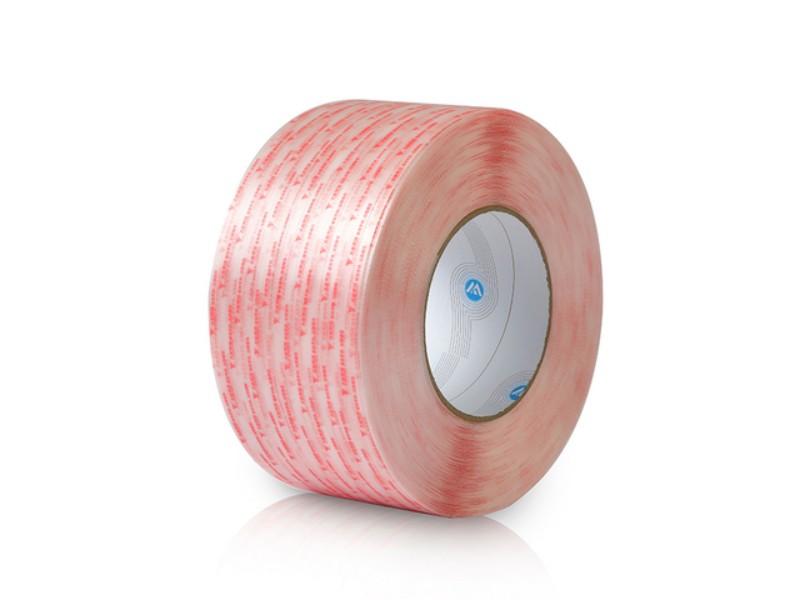
PP Strap (polypropylene strapping) is a flexible plastic band made from polypropylene resin and used to secure goods during packaging, storage, and transportation. It functions as a stabilizing material that keeps products bundled together, prevents movement during handling, and helps maintain packaging integrity across logistics operations. Because it combines lightweight structure with sufficient tensile strength, PP strap is widely adopted in packaging systems where goods must be grouped, reinforced, or palletized before shipment.
In everyday logistics environments, polypropylene straps are commonly applied to cartons, stacked packages, and palletized cargo. For example, warehouse operators often wrap a strap around a group of boxes to create a single handling unit, reducing the risk of products separating during loading or unloading. In palletized shipments, straps are tensioned around the load so that goods remain firmly fixed when transported across distribution networks.
Another defining characteristic of PP strap is its compatibility with multiple packaging workflows. Polypropylene is a thermoplastic material, which means it can be molded and stretched into thin yet durable bands during manufacturing. These straps can then be applied using manual tools, semi-automatic strapping machines, or fully automated packaging systems. This flexibility allows the same material to be used across small warehouses, large logistics centers, and industrial production lines.
Key features that define PP strap include:
● Lightweight construction: Reduces overall packaging weight and simplifies handling for operators.
● Flexible structure: Allows straps to adapt to the shape of cartons or bundled goods.
● Versatile application: Works with both manual packaging operations and automated strapping equipment.
The widespread use of polypropylene in strapping applications is closely related to the inherent physical and chemical properties of the material. Polypropylene is known for combining durability with flexibility, which allows straps to secure cargo while still absorbing movement during transportation. This balance is especially important in logistics environments where packaged goods experience vibration, shifting, and repeated handling.
One of the primary advantages of polypropylene is its low density, making it lighter than many other plastics used in industrial materials. A lower weight means that packaging materials add minimal additional mass to the shipment, which helps maintain efficiency in large-scale logistics operations. Lightweight strapping is also easier for workers to handle, improving the ergonomics of manual packaging tasks.
Polypropylene also offers elastic recovery, meaning it can stretch slightly under tension and then return close to its original shape. This property allows straps to maintain tension even when cargo shifts slightly during transportation. As a result, bundles and pallet loads remain stable throughout shipping and storage.
Another key factor is chemical stability. Polypropylene resists many acids, alkalis, and environmental factors that may be present in warehouses or industrial storage areas. Because of this resistance, polypropylene strapping performs reliably in a variety of packaging and transport conditions.
The following table summarizes several material characteristics that make PP suitable for strapping applications:
Material Property | Practical Benefit in Packaging | Operational Impact |
Lightweight structure | Reduces total packaging weight | Easier handling and transport |
Flexibility and elasticity | Absorbs shocks and movement | Maintains load stability |
Chemical resistance | Performs reliably in storage environments | Suitable for industrial logistics |
Thermoplastic nature | Can be molded into thin, durable straps | Enables large-scale production |
Together, these characteristics explain why polypropylene remains one of the most widely used materials for packaging straps across global supply chains.
The production of polypropylene strapping involves a sequence of industrial processes designed to transform PP resin into strong and flexible bands. During manufacturing, polypropylene pellets are first melted and then extruded into flat strips. These strips are subsequently stretched and cooled to improve their tensile properties, allowing them to withstand the tension required for packaging applications.
After extrusion and stretching, the straps are typically wound into large coils or rolls for distribution. Automated winding equipment ensures consistent strap length and uniform quality across production batches. Because packaging requirements vary significantly between industries, manufacturers usually produce straps in multiple widths, thicknesses, and performance categories.
A wide range of specifications allows polypropylene strapping to be used for both lightweight and heavier packaging scenarios. Narrow straps are often used for small cartons or retail packaging, while wider and thicker straps are designed for pallet reinforcement or industrial goods.
The table below illustrates typical specification categories and their general application environments:
PP Strap Size Range | Typical Application | Packaging Context |
Narrow straps (around 5 mm) | Light bundling tasks | Small cartons, retail packaging |
Medium straps (8–9 mm) | General packaging | Standard carton bundling |
Heavy-duty straps (11–12 mm) | Industrial goods | Machinery parts, building materials |
Wider straps (13–15 mm) | Medium to heavy loads | Palletized cargo stabilization |
Manufacturers such as Weide produce a variety of PP strap specifications to address these different packaging requirements. Their product range includes straps designed for both light packaging tasks and heavier load securing, allowing packaging systems to select suitable strap sizes depending on the weight and stability needs of the shipment.
In modern packaging environments, these specification variations allow polypropylene strapping to serve multiple operational roles—from simple bundling to large-scale pallet stabilization.
One of the most common PP strap uses in packaging is bundling cartons and grouped products into a single transport unit. In many distribution systems, goods are packed into boxes or cartons that must remain together throughout the shipping process. Polypropylene strapping helps maintain this structure by tightly securing packages so that they do not separate during movement through warehouses, vehicles, or sorting facilities.
For example, retail supply chains often ship large quantities of identical products packaged in cartons. By applying strapping around these cartons, operators can combine several boxes into one manageable unit. This bundling process simplifies loading and unloading while also reducing the risk of individual boxes shifting or falling during transportation.
In addition to carton bundling, polypropylene straps are commonly used to secure packaged consumer products such as paper goods, packaged food cartons, and household supplies. These items often require simple yet reliable reinforcement to ensure they remain intact as they move through the logistics chain.
Typical packaging scenarios include:
● Bundling multiple cartons into one shipment unit for easier handling
● Securing packaged goods during warehouse staging and sorting
● Reinforcing packaging for retail distribution and delivery
Another major application of polypropylene strapping is pallet packaging, where goods are stacked on pallets for transportation or storage. Pallets allow forklifts and other handling equipment to move large quantities of products efficiently. However, stacked goods must remain stable during movement, which is where PP straps play an important role.
By wrapping straps around the pallet load and tightening them with a strapping tool or machine, operators create a firm structure that holds the goods together. This reduces the likelihood of boxes shifting, collapsing, or sliding off the pallet during transportation.
In many packaging operations, pallet strapping is combined with other materials to enhance load stability. Stretch film, for example, is frequently wrapped around the entire pallet to create additional containment. The combination of film wrapping and polypropylene strapping provides both compression and tension, which significantly improves the safety of the shipment.
Common pallet stabilization methods include:
1. Vertical strapping: Straps run from the top of the pallet to the bottom to prevent vertical shifting.
2. Horizontal strapping: Straps wrap around the sides of the pallet load to hold cartons together.
3. Combined strapping systems: Multiple straps applied at different positions for larger or heavier loads.
These techniques help ensure that palletized cargo remains stable throughout the logistics process.
In modern logistics operations, polypropylene strap packaging applications extend beyond basic bundling. Warehouses and shipping centers rely on strapping as part of a broader packaging workflow designed to prepare goods for safe and efficient transport. Strapping equipment is often integrated into packaging lines where products are packed, sealed, and secured before leaving the facility.
Automated strapping machines are particularly common in high-volume distribution environments. These machines can apply straps quickly and consistently, improving productivity while ensuring that each package meets required stability standards. Manual tools are still widely used in smaller operations or for irregular loads that require flexible handling.
The table below outlines how PP strapping supports different stages of logistics operations:
Logistics Stage | Role of PP Strapping | Operational Benefit |
Packaging preparation | Bundling cartons and product groups | Simplifies handling |
Warehouse storage | Stabilizing stacked goods | Prevents load movement |
Shipping preparation | Securing pallet loads | Protects goods during transport |
Distribution handling | Maintaining package integrity | Reduces product damage |
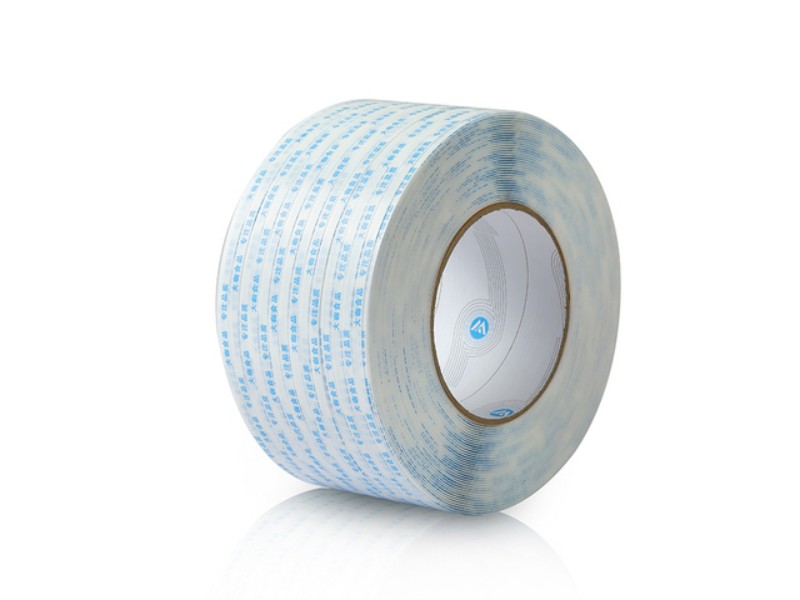
Modern logistics systems depend heavily on reliable packaging methods to keep goods secure throughout transportation. In large distribution centers, PP Strap is frequently used to consolidate cartons and stabilize pallet loads before they are transported across regional or international routes. By tightening the strap around grouped packages, logistics operators create a unified shipment unit that is easier to handle with forklifts, pallet jacks, and automated sorting systems. This approach reduces the risk of product displacement while goods move through warehouses, trucks, ports, and cross-docking facilities.
In high-volume logistics operations, polypropylene strapping is valued for its speed of application and compatibility with automated packaging systems. Many fulfillment centers integrate strapping machines into packaging lines where cartons are sealed and prepared for shipment. The use of strapping ensures that packaged goods remain intact during repeated handling stages such as loading, unloading, and sorting.
Typical logistics applications include:
● Carton consolidation: Multiple boxes are bundled together to create a stable shipment unit that simplifies handling and reduces individual package movement.
● Pallet reinforcement: Straps are applied vertically or horizontally to secure stacked products and prevent shifting during transport.
● Shipment preparation: Strapping is often combined with other packaging materials such as stretch film to provide additional load stability.
The following table summarizes common logistics uses of PP strap:
Logistics Activity | Purpose of PP Strap | Resulting Benefit |
Carton bundling | Combine packages into one transport unit | Easier handling and reduced product separation |
Pallet stabilization | Secure stacked goods during transit | Improved shipment safety |
Distribution preparation | Reinforce packaging before shipment | Reduced risk of cargo damage |
Through these applications, polypropylene strapping helps logistics networks maintain efficiency and reliability while moving large volumes of goods through global supply chains.
Manufacturing industries often produce goods in bulk quantities that must be packaged securely before transportation to warehouses or distribution partners. In these environments, polypropylene strapping serves as a practical solution for bundling and stabilizing industrial products. Because the material is flexible yet strong, it can adapt to irregular shapes while still maintaining tension around the packaged items.
Industrial packaging frequently involves products such as mechanical components, metal parts, construction materials, or packaged equipment. These items may be grouped together for storage or shipment, requiring a packaging method that prevents separation and movement during transportation. PP straps are applied around product bundles or pallet loads to hold these items firmly in place.
In certain cases, manufacturers use wider or thicker strap specifications to accommodate heavier loads. These specifications provide additional stability while still maintaining the lightweight advantages of polypropylene materials. According to product information, some PP strap ranges are designed specifically to support heavier industrial packaging scenarios where load stability is essential.
Key industrial uses include:
● Bundling building materials such as panels, boards, or tiles for safe transportation
● Securing mechanical components and spare parts during shipment
● Reinforcing palletized industrial equipment before long-distance delivery
Because industrial goods often travel through multiple transportation stages, the ability of PP straps to maintain consistent tension helps ensure that packaging integrity is preserved from factory to final destination.
Warehouses serve as central hubs in the supply chain, where goods are stored, sorted, and prepared for delivery. In these facilities, PP Strap plays an important role in maintaining order and stability within storage areas. Products stacked on pallets or shelving systems can shift over time due to handling, vibration, or environmental movement. Strapping helps prevent these shifts by reinforcing packaging and keeping goods securely grouped together.
During warehouse operations, workers may apply straps to palletized goods before placing them into storage racks. This process ensures that cartons remain aligned and reduces the risk of collapse when items are moved by forklifts or other equipment. When goods are later retrieved for shipment, the straps continue to provide structural support during transportation.
For long-distance or cross-border transportation, packaging requirements become even more demanding. Shipments traveling by sea, rail, or truck may experience continuous vibration and changes in temperature or humidity. In these situations, polypropylene strapping is often used together with other packaging materials to improve load stability.
A common cargo-securing approach includes:
1. Initial pallet stacking, where products are arranged in stable layers.
2. Stretch film wrapping, which compresses the load and provides surface containment.
3. PP strap reinforcement, which adds tension to hold the entire structure together.
Polypropylene strapping is also widely used in sectors that handle large volumes of packaged consumer goods and agricultural products. In agricultural logistics, produce is often packed into cartons, crates, or woven bags that must remain secure during storage and transport. PP straps are commonly applied to bundle these packages together or to reinforce pallets carrying fruit boxes, grain sacks, or packaged produce.
The material’s lightweight nature is particularly useful in agricultural supply chains where large quantities of goods are transported over long distances. Because PP straps add minimal weight to the shipment, they help maintain efficient transportation while still ensuring cargo stability.
Consumer product packaging also relies on polypropylene strapping in various ways. Retail goods such as food cartons, packaged beverages, paper products, and household supplies are frequently secured using strapping during distribution. This reinforcement helps keep cartons intact as they move through warehouses, transportation vehicles, and retail storage facilities.
Common packaging scenarios include:
● Bundling produce cartons for wholesale distribution
● Securing packaged goods on pallets before delivery to retail stores
● Reinforcing bulk consumer products during storage and transport
Polypropylene is recognized as a recyclable thermoplastic material, meaning it can be collected, processed, and reused after its initial application. This recyclability has contributed to the widespread adoption of PP in packaging industries that aim to reduce material waste and improve resource efficiency. After use, polypropylene strapping can enter recycling systems where it is reprocessed into new plastic products or packaging materials.
The recyclability of PP provides several advantages for packaging operations. First, it allows companies to integrate strapping materials into broader recycling programs within warehouses or manufacturing facilities. Second, the ability to reuse material reduces the environmental impact associated with single-use plastics. Finally, recyclable packaging materials support the growing demand for more sustainable supply chain practices.
The following table highlights how recyclability influences packaging operations:
Environmental Feature | Practical Impact | Industry Benefit |
Recyclable thermoplastic structure | Allows collection and reprocessing | Supports waste reduction initiatives |
Compatibility with recycling systems | Enables material recovery programs | Improves packaging sustainability |
Lightweight material use | Requires less raw material per strap | Reduces overall plastic consumption |
In addition to recyclability, some manufacturers are focusing on improving the material efficiency of polypropylene strapping by reducing the amount of plastic required during production. These developments aim to maintain the functional performance of strapping while minimizing the total volume of plastic used in packaging systems.
Material optimization often involves refining production processes or adjusting strap structures to maintain strength with less raw material. Such approaches allow packaging systems to maintain cargo security while improving resource efficiency across large distribution networks.
For example, Weide produces plastic-reducing polypropylene straps designed to support packaging applications while emphasizing material efficiency. By focusing on research and development in PP strap manufacturing, the company works toward improving both packaging performance and resource utilization in the strapping industry.
Environmental innovation in PP strapping generally includes:
● Designing straps that use less raw plastic while maintaining structural performance
● Supporting recyclable material systems within packaging operations
● Improving production processes to reduce material waste
Polypropylene serves many industries today. It supports flexible manufacturing uses.PP Strap secures cartons and pallets. It helps protect goods during transport.From logistics to agriculture, PP strapping stabilizes shipments.Weide develops plastic-reducing PP straps. Their products support efficient packaging.
A: PP Strap is used to bundle cartons, stabilize pallet loads, and secure goods during packaging, storage, and transport.
A: PP Strap provides moderate tensile strength and flexibility, making it suitable for light to medium-duty pallet and carton packaging.
A: PP Strap is widely used in logistics, manufacturing, agriculture, and retail packaging to secure bundled or palletized products.
A: PP Strap is made from polypropylene, a recyclable thermoplastic that can be processed through standard plastic recycling systems.


