
Contact Us
- All
- Product Name
- Product Keyword
- Product Model
- Product Summary
- Product Description
- Multi Field Search
Views: 0 Author: Site Editor Publish Time: 2026-03-19 Origin: Site


Packages move every day, but are they secured well? Polypropylene strapping keeps cartons stable during storage and transport. A PP Strapping Machine helps apply consistent tension and sealing. In this guide, you will learn how to use polypropylene strapping tools, including machine setup, operation steps, and basic maintenance.
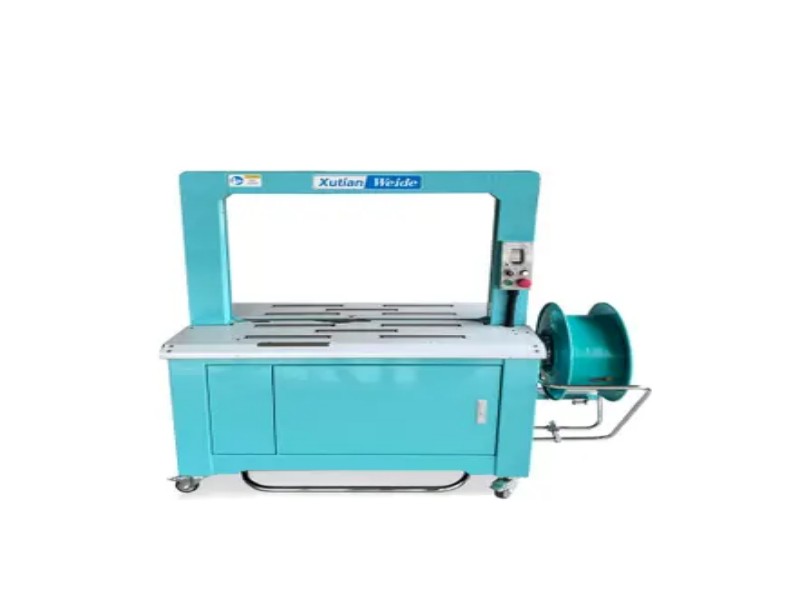
Polypropylene strapping is one of the most widely used materials in modern packaging operations. Made from lightweight plastic polymers, it is designed to bundle, reinforce, and stabilize packaged goods during storage and transportation. Because it is flexible yet strong enough for moderate loads, polypropylene straps are commonly applied to cartons, bundled products, and lightweight pallet shipments. In warehouses and distribution centers, the material helps maintain package integrity while reducing the risk of shifting or damage during handling.
In practical applications, polypropylene strapping is typically paired with a PP Strapping Machine to ensure consistent tension and secure sealing. The machine automates the tightening and bonding of the strap around a package, allowing packaging teams to perform repetitive strapping tasks efficiently. This combination of machine automation and lightweight strapping material makes polypropylene strapping a practical choice for many industries, including e-commerce fulfillment, manufacturing packaging, retail logistics, and food distribution.
Typical uses of polypropylene strapping include the following scenarios:
● Carton bundling: Multiple boxes can be secured together to form a stable unit for transport or storage.
● Package reinforcement: Individual cartons are strapped to prevent them from opening or deforming during shipping.
● Light pallet stabilization: Straps can hold lightweight palletized loads together to reduce movement during transportation.
To better understand its typical role in packaging operations, the following table outlines common application environments and their packaging goals:
Application Environment | Typical Use of Polypropylene Strapping | Packaging Objective |
Warehouse packaging stations | Bundling cartons or product groups | Improve handling efficiency |
Logistics and distribution | Securing packages before shipment | Prevent load shifting during transport |
Manufacturing plants | Reinforcing finished product cartons | Maintain package integrity |
E-commerce fulfillment | Stabilizing shipping cartons | Reduce damage during delivery |
By combining polypropylene strapping with automated equipment, packaging operations can maintain consistent strap tension and reduce the variability that often occurs with manual strapping methods.
Before a PP Strapping Machine can operate correctly, the polypropylene strap must be installed and routed through the machine’s internal guide system. Proper strap installation ensures smooth feeding during the strapping cycle and prevents interruptions caused by strap misalignment or twisting.
The installation process usually begins by placing the strap roll into the machine’s strap storage compartment. The strap must be oriented according to the rotation direction indicated by the machine so that the strap can unwind smoothly during feeding. From there, the strap is guided through a series of rollers and guide channels that direct the strap toward the tensioning mechanism and cutting unit.
A simplified strap routing path generally includes the following components:
● Guide rollers that help control strap direction and prevent twisting.
● Tension wheels that grip the strap and pull it tight during the strapping cycle.
● Strap channels or tracks that guide the strap around the package area.
● Cutting and sealing units where the strap ends are welded and trimmed.
Some machines are designed to work with specific strap sizes in order to maintain stable feeding and sealing performance. For instance, certain Weide PP Strapping Machine models are designed to operate with polypropylene straps within particular width and thickness ranges, ensuring proper tension control and sealing reliability. Once the strap is threaded through the guide system, the operator typically uses the machine’s feeding function to move the strap to its standby position before beginning normal operation.
Correct strap routing plays a critical role in maintaining smooth machine performance. Improper threading may lead to uneven tension, strap jams, or incomplete sealing during the strapping process.
Before activating the machine, a basic inspection helps ensure safe operation and stable performance. Even small issues such as debris in the strap track or loose components can interfere with the strapping cycle if they are not addressed beforehand.
A routine pre-operation inspection generally includes the following checks:
● Structural inspection: Examine the machine body for loose screws, worn parts, or visible damage. Mechanical stability is important for maintaining accurate tension and sealing.
● Guide rail cleanliness: Remove strap fragments, dust, or foreign objects from the strap track and cutter area. Debris may obstruct strap movement and cause feeding problems.
● Electrical safety: Confirm that the power cable, connectors, and grounding system are intact to prevent electrical hazards during operation.
These inspections typically require only a few minutes but can prevent many common operational interruptions. By ensuring that the machine is clean and structurally secure before starting, operators can reduce the likelihood of strap jams or inconsistent strapping cycles.
Once the machine has been inspected and prepared, it can be powered on to begin the operational setup process. Most modern strapping machines perform an initial system check when the power is activated. This process verifies that key components such as sensors, motors, and control systems are functioning properly.
For machines that use heat sealing, the heating element must reach a specific temperature before strapping can begin. The heating unit melts the polypropylene strap surfaces during the sealing stage, so stable temperature control is essential for producing reliable strap joints. If the temperature is too low, the strap ends may not bond properly. If it is too high, the strap material could weaken or deform.
Typical startup preparation steps include:
1. Turning on the machine’s main power switch.
2. Allowing the system to complete its internal startup checks.
3. Waiting for the sealing unit to reach the preset operating temperature.
4. Confirming that the machine’s ready indicator shows the system is prepared for use.
After these steps are completed, the PP Strapping Machine is ready for normal operation. At this stage, operators can begin positioning packages and performing strapping cycles while monitoring machine settings to ensure stable performance throughout the packaging process.
Operating a PP Strapping Machine involves a sequence of coordinated actions that ensure the strap is applied evenly, tightened correctly, and sealed securely around the package. While different machine models may vary in their control interfaces, the overall workflow generally follows the same pattern: positioning the package, initiating the strapping cycle, applying tension and sealing, and finally removing the secured package. Understanding each stage helps operators maintain consistent strapping quality and reduce packaging errors during daily operations.
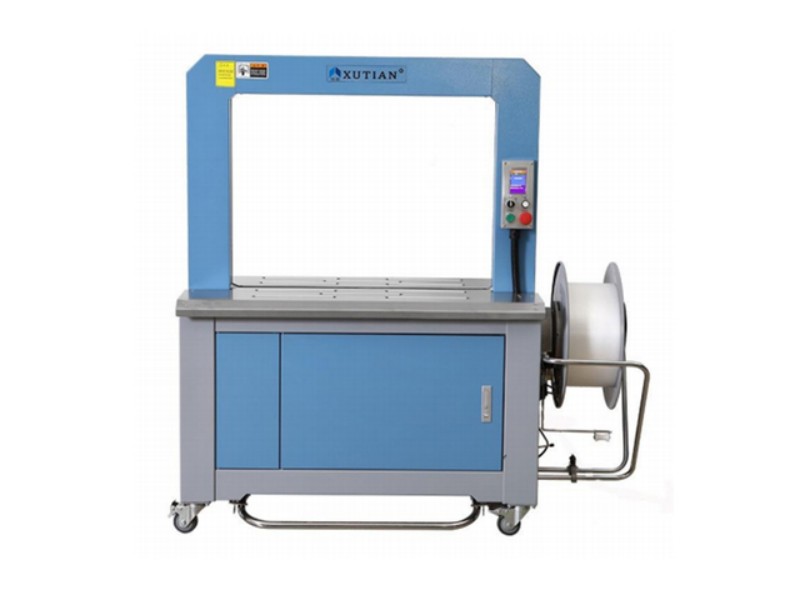
The first step in the strapping process is placing the package correctly on the machine’s worktable. Proper positioning ensures that the strap can travel smoothly through the machine track and wrap evenly around the package without twisting or misalignment. If the package is not centered or extends beyond the working area, the strap may not apply evenly, which can reduce the stability of the package during transport.
When positioning cartons or packaged goods, operators should make sure the load is balanced and stable before the strapping cycle begins. A stable position prevents movement during tensioning, which is especially important when working with multiple straps or larger packages.
Key positioning considerations include:
● Center alignment: The package should be placed near the center of the worktable so the strap travels evenly around all sides. This helps maintain uniform tension around the package.
● Edge clearance: Items should remain within the boundaries of the table to avoid interference with the strap track or machine components.
● Load stability: Packages should not tilt or shift during strapping, as movement can affect strap placement and sealing accuracy.
Once the package is positioned correctly, the next step is to initiate the strapping cycle. The method used depends on whether the machine is semi-automatic or fully automatic. In semi-automatic equipment, the operator plays a more active role in guiding the strap around the package, while automatic machines perform most of the actions independently once triggered.
In a semi-automatic PP Strapping Machine, the operator typically pulls the polypropylene strap from the machine, wraps it around the package, and inserts the strap end into the machine’s inlet slot. Sensors inside the machine detect the inserted strap and automatically begin the next stages of the strapping cycle.
In automatic systems, the process is more streamlined. Packages move into position beneath the strapping arch, and the machine initiates the cycle through either a control button or a signal from the packaging line. Once activated, the machine performs all steps—including feeding, tensioning, sealing, and cutting—without manual intervention.
Typical cycle initiation methods include:
● Manual trigger: The operator inserts the strap or presses a start button to begin the cycle.
● Sensor activation: Built-in sensors detect the strap or package position and automatically start the process.
● Production line integration: Automated packaging systems trigger the strapping cycle as products move along a conveyor.
Machines such as the Weide PP Strapping Machine integrate these actions into a continuous workflow that supports both manual and automated packaging environments. This flexibility allows the machine to adapt to different packaging speeds and operational setups.
After the strapping cycle begins, the machine performs the most critical part of the process: tightening the strap and creating a secure joint. The machine first pulls the polypropylene strap around the package until it reaches the preset tension level. Proper tension ensures the strap holds the package firmly without damaging the packaging material.
The tensioning mechanism uses rollers or tension wheels to grip the strap and apply controlled force. The amount of tension can usually be adjusted depending on the package weight, carton strength, or product type. Maintaining the correct tension level is important because insufficient tension may allow packages to shift, while excessive tension could compress or damage the packaging.
Once the required tension is reached, the machine moves to the sealing stage. During this stage, the overlapping strap ends are welded together using heat. The heating element briefly melts the surfaces of the strap, and pressure is applied so the softened plastic fuses into a solid joint.
The core steps during this stage include:
1. Tension application – The machine tightens the strap until the preset tension value is reached.
2. Heat sealing – The strap ends are heated and pressed together to form a welded connection.
3. Cooling and stabilization – The joint solidifies as the melted plastic cools.
4. Automatic cutting – The machine trims the excess strap and prepares for the next cycle.
This sequence ensures that every strap applied by the PP Strapping Machine maintains a consistent tension level and sealing strength. When the machine settings are properly configured, the process can be repeated hundreds or even thousands of times in a packaging shift with minimal variation.
Once the strapping cycle is complete, the machine resets automatically and prepares the next strap for use. At this stage, the operator can safely remove the packaged item from the worktable. Removing the package carefully is important to ensure that the newly sealed strap remains intact and does not loosen before the package is moved to the next stage of handling.
Before moving the package away, operators should briefly check the strap to confirm that the seal is firm and the tension is appropriate. This quick visual inspection helps detect issues such as weak welds or uneven strap placement before the package enters the shipping or storage process.
When removing strapped packages, operators should follow several practical handling practices:
● Lift steadily: Avoid pulling or dragging the package, which could strain the strap joint.
● Inspect the seal: Confirm that the welded joint is flat and firmly bonded.
● Check strap alignment: Ensure the strap remains centered and evenly tightened around the package.
These small checks help maintain consistent packaging quality and reduce the risk of packages loosening during transport. Over time, experienced operators can quickly recognize properly applied straps and identify potential issues before they affect packaging performance.
Proper parameter settings are essential for achieving consistent results when using a PP Strapping Machine. Even when the equipment operates normally, incorrect tension or sealing temperature can lead to weak strap joints, unstable loads, or damaged packaging. By adjusting these parameters according to package weight, carton strength, and transportation requirements, operators can ensure that the strap secures the load without compressing or deforming the package.
Strap tension determines how firmly the polypropylene strap holds the package. If the tension is too low, the strap may loosen and allow the load to shift during handling or transport. If the tension is too high, it may damage cartons or weaken the strap.
Most PP Strapping Machine models allow operators to adjust tension through a control dial or electronic panel. The correct setting is usually achieved through gradual adjustments while observing how the strap fits around the package.
Typical tension settings depend on the type of package being strapped:
Package Type | Recommended Tension | Reason |
Lightweight cartons | Low–moderate tension | Prevents carton deformation |
Standard shipping boxes | Medium tension | Maintains load stability |
Heavy industrial items | Higher tension | Secures dense loads |
Fragile packaged goods | Reduced tension | Prevents pressure damage |
In practice, operators often fine-tune tension during the first few strapping cycles. Once the appropriate setting is found, the PP Strapping Machine can maintain consistent tension for repeated packaging tasks.
Sealing temperature directly affects the strength of the strap joint. During the sealing stage, the PP Strapping Machine briefly heats the overlapping strap ends so the polypropylene material melts and bonds together.
If the temperature is too low, the strap may not fuse properly and the joint can separate under tension. If the temperature is too high, the strap material may become brittle or damaged.
To maintain stable sealing performance, operators typically follow these guidelines:
● Adjust temperature gradually so the strap joint forms evenly without overheating the material.
● Match temperature to strap thickness, since thicker straps often require slightly higher heat levels.
● Balance heat and time, ensuring the heating element contacts the strap long enough to create a strong weld.
When temperature and heat exposure are properly balanced, the welded joint will appear smooth, flat, and firmly bonded. Stable temperature control allows the PP Strapping Machine to produce reliable strap seals throughout continuous packaging operations.
Regular maintenance and proper safety practices help ensure that a PP Strapping Machine operates efficiently over time. Strapping machines rely on moving parts, heating elements, and sensors that require routine inspection and cleaning. Without regular maintenance, debris buildup or worn components can affect strap feeding, sealing quality, and overall machine stability. Performing simple maintenance tasks helps reduce downtime and ensures consistent strapping performance in daily packaging operations.
Routine cleaning is one of the most effective ways to maintain stable operation of a PP Strapping Machine. During continuous packaging work, small pieces of polypropylene strap and packaging dust can accumulate inside guide rails, cutters, and rollers. If these materials are not removed, they may interfere with strap feeding or cause irregular sealing.
After each shift, operators should perform several basic cleaning steps:
● Remove strap debris from guide tracks and strap channels to prevent feeding blockage.
● Wipe the worktable and machine surface to remove dust and packaging residue.
● Check guide rollers and cutter areas to ensure no debris is trapped between components.
Keeping these areas clean allows the PP Strapping Machine to feed straps smoothly and maintain stable strapping cycles during the next operation.
The sealing unit is responsible for welding the strap ends together, making it one of the most critical parts of the machine. Over time, parts such as heating blades, sealing pads, or pressure plates may wear due to repeated heating and mechanical pressure.
Operators should regularly inspect sealing components to ensure proper welding performance. Signs that maintenance may be required include:
● uneven or weak strap joints
● visible marks or irregular welding lines
● straps separating under normal tension
When these issues appear, worn parts should be replaced or the heating system should be recalibrated. Maintaining the sealing unit in good condition allows the PP Strapping Machine to produce strong and consistent strap joints.
Safe operation is essential when working with packaging equipment. A PP Strapping Machine contains moving mechanisms, cutting components, and heated sealing parts that require careful handling. Only trained personnel should operate the machine and follow basic safety procedures during the strapping process.
Key safety practices include:
● Keep hands away from cutters and tension mechanisms while the machine is running.
● Avoid loose clothing or accessories that could be caught in moving components.
● Check machine status before approaching the work area, ensuring the strapping cycle has fully completed.
Polypropylene strapping tools help secure cartons and bundled goods in packaging work. A PP Strapping Machine automates feeding, tensioning, sealing, and cutting for consistent results. With proper setup and maintenance, the system works reliably. Weide provides strapping machines designed for stable operation and efficient packaging.
A: A PP Strapping Machine automatically feeds, tensions, seals, and cuts polypropylene strap to secure cartons or bundled goods.
A: Place the package correctly, insert the strap, and allow the PP Strapping Machine to complete tensioning and sealing before removing the load.
A: A PP Strapping Machine typically uses polypropylene straps of specific widths and thicknesses designed for compatible feeding and sealing.
A: Proper tension ensures load stability; insufficient tension allows movement, while excessive tension may damage packaging materials.


